
How Can Residents With Dementia Be Supported Effectively?
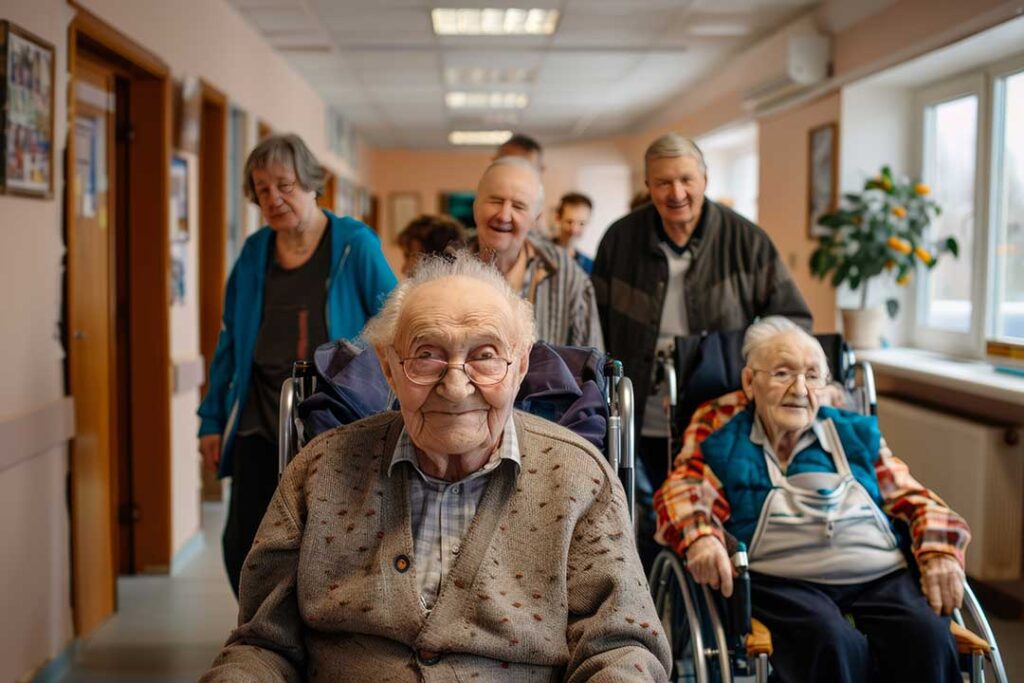
Support for seniors with dementia in assisted living relies on understanding not just their health needs, but also their routines, past experiences, and personal sense of belonging. In a small community like Denver, PA, residents benefit from familiar surroundings and approachable caregivers, which can make a major difference in quality of life.
Supporting someone with dementia involves patience, flexibility, and practical adaptation to each person’s preferences and limitations. This helps residents maintain dignity and feel actively included in day-to-day life.
What Practical Steps Make Daily Life Easier?
Daily routines can quickly become stressful or confusing for those with memory loss. Structures and adaptations can reduce anxiety and encourage confidence in daily tasks.
Practical examples include:
- Labeling drawers or cabinets with pictures or large text
- Using reminder notes, clocks with day/date displays, and visual calendars
- Allowing extra time for dressing, eating, or bathing
- Supporting independence by offering limited choices (for example, two shirts rather than a closet full)
- Keeping pathways free of clutter to lower fall risk
These steps, often simple, help residents accomplish tasks with less frustration, especially during long winters when time indoors increases.
How Important Is Consistency in Care?
Consistent daily routines and familiar caregivers play a key role in lowering confusion and building trust. When schedules shift unexpectedly or unfamiliar people come and go often, anxiety and behavioral symptoms may worsen.
Care teams and visiting relatives can coordinate with each other to keep routines steady. Even meal times and activity schedules matter—small details like where a favorite chair or mug is placed each morning can provide extra reassurance.
How Do Social Connections Benefit Residents?
Isolation is a frequent challenge in dementia care, but regular social activity can boost mood and stimulate thinking.
In Denver, community rooms and shared dining areas serve as important gathering spots, especially during colder seasons. Engaging residents in group hobbies, seasonal crafts, or even simple conversations can:
- Encourage a sense of belonging
- Maintain social skills
- Help reduce agitation or withdrawal
Supportive companionship—in groups or one-on-one—often brings joy and stability.
How Can Activities Be Adjusted for Memory Loss?
Activities should be matched to the ability and interests of each person, rather than one-size-fits-all approaches. Simple, familiar activities are most soothing.
Examples that work well:
- Folding towels or sorting cards (for those who enjoyed household tasks)
- Listening to music or singing along to familiar songs
- Gentle stretching or chair exercises
- Looking at photo albums with family or friends
Residents often feel more successful and engaged with tasks that are manageable and do not rely much on short-term memory.
Do the Seasons Affect Dementia Care in Denver?
Local weather and seasonal routines play a role in planning meaningful, safe days for those with dementia.
- In spring and summer, outdoor walks, gardening in raised planters, or birdwatching from patios offer mental stimulation and fresh air.
- Cooler months mean more activities move inside; good lighting becomes critical to support safety and reduce evening confusion, especially as daylight grows shorter.
Attention to temperature, light, and opportunities for safe movement can make routines more predictable and enjoyable.
How Should Families Communicate With Residents Who Have Dementia?
Clear, simple, and positive communication is essential. Instead of correcting memory mistakes, it’s often best to focus on feelings and join the resident’s reality.
Tips for family and friends:
- Use gentle tone and slow speech
- Ask one question at a time, avoiding open-ended questions that may overwhelm
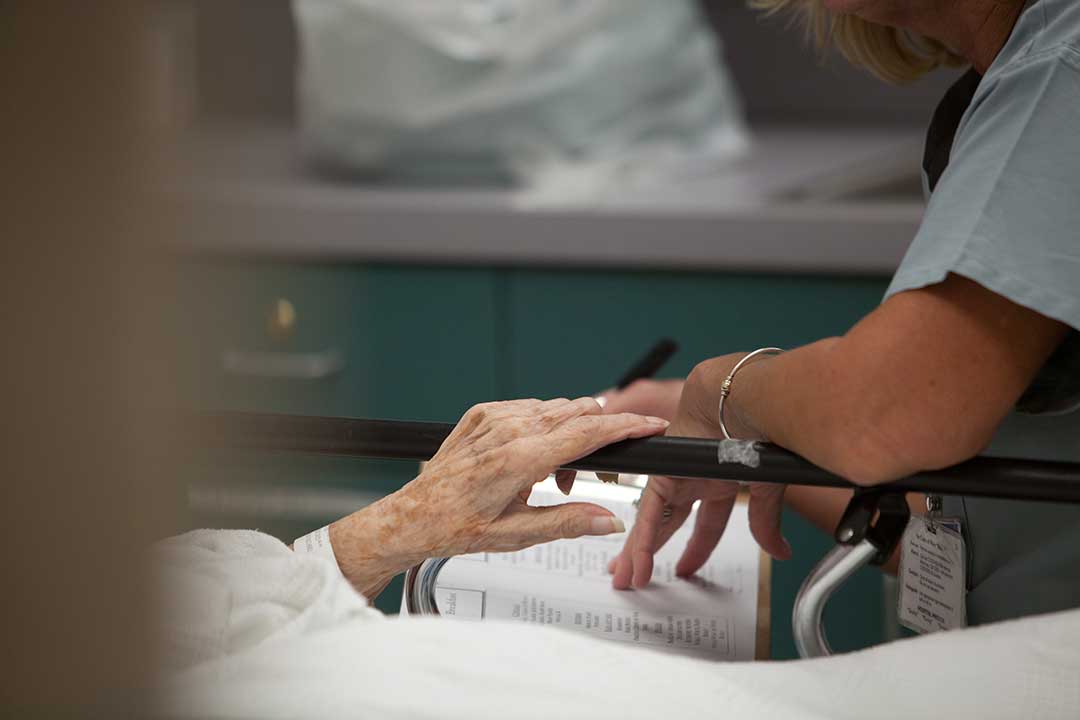
- Reassure with touch or a smile when words are hard to find
- Avoid arguing—redirect gently if a topic causes upset
Local families often learn to use patience and humor, recognizing that connections can happen through small moments, not always through words.
What About Safety and Environment in Assisted Living?
Safety is a major concern for those with dementia, given increased risks of wandering and accidents. Assisted living communities in the region are built to balance independence with safety.
Practical features may include:
- Secured or alarmed exterior doors to prevent unintended exits
- Non-slip floors, handrails, and clear signage
- Emergency call systems and regular check-ins
- Contrasting colors on walls and floors to minimize confusion
Area households can adopt some of these features at home when visiting a resident for holidays or outings.
What Common Misunderstandings Exist About Dementia Support?
Sometimes, misconceptions can limit how dementia is approached:
- It’s not true that people with dementia “can’t understand anything”—many still enjoy conversation and social cues, even as memory changes.
- Residents benefit from being included in family and community traditions, even if they don’t recall details later.
- It’s normal for abilities to fluctuate from day to day—flexibility, not insistence on “doing it right,” helps everyone cope better.
Understanding these realities helps families, friends, and care staff provide more compassionate, helpful support.
