

Conflict is a natural part of any group living situation, and assisted living environments in Denver, Pennsylvania, are no exception. While moving to assisted living can bring relief, support, and companionship, it may also introduce new personalities and preferences into daily life. Learning how to handle disagreements thoughtfully is essential for maintaining a peaceful and harmonious environment, which is especially valued in Denver’s close-knit, community-focused culture.
Understanding Conflict in Assisted Living
Assisted living residents come from all walks of life, often bringing with them deeply rooted beliefs, diverse backgrounds, and differing routines. In smaller Pennsylvania towns like Denver, where relationships and community ties are strong, conflict can sometimes feel personal and even uncomfortable. However, addressing issues constructively can lead to stronger bonds and a healthier, happier community.
Common Sources of Conflict
Understanding what tends to spark tension can help caregivers and residents alike proactively prevent disagreements. Common sources include:
- Differences in daily routines or sleep schedules, especially in shared rooms
- Preferences for common area activities, TV programs, or music
- Perceptions about fairness in receiving staff attention or resources
- Misunderstandings related to memory loss, hearing impairment, or communication styles
- Disagreements between staff and residents or among staff members
In a place like Denver, where community events and shared spaces are a big part of daily life, these issues can surface more frequently as residents interact regularly.
Early Intervention: Why It Matters
Unaddressed conflicts have the potential to escalate, leading to increased stress, feelings of isolation, or even health concerns among residents. Proactive conflict management is especially important in Denver, where the town’s friendly, neighborly culture can be leveraged to create more positive outcomes when tensions arise.
Steps to Handle Conflict Effectively
1. Foster Open Communication
Encourage open, honest, and calm communication when a disagreement occurs. Listening carefully—without interrupting—lays the groundwork for understanding.
- Use “I” statements (e.g., “I feel upset when…”)
- Avoid blaming or accusing language
- Encourage everyone involved to share their perspective
2. Involve Staff and Mediators
Assisted living staff in Denver are trained to recognize early signs of conflict and to mediate when needed. Bringing in a neutral third party—like a staff member or a trusted local mediator—can help resolve issues before they escalate.
- Staff can rephrase concerns for clarity and fairness
- Mediators ensure everyone feels heard and respected
- Confidentiality is maintained to protect residents’ dignity
3. Emphasize Community Values
Denver, PA, prides itself on traditional values such as respect for elders, neighborly kindness, and cooperation. Recalling these shared values during discussions can create common ground and help diffuse tension.
- Remind residents and staff of the goals: comfort, safety, and community wellbeing
- Frame discussions around solutions rather than problems
4. Establish Clear Community Guidelines
Having clear, written house rules about quiet hours, shared spaces, and respectful interactions sets expectations for all residents and staff. Involving residents in creating or updating these guidelines can improve buy-in and foster a sense of ownership over the community’s culture.
- Review guidelines during resident meetings
- Clearly post rules in common areas
- Address repeated issues as a community
5. Provide Training and Support
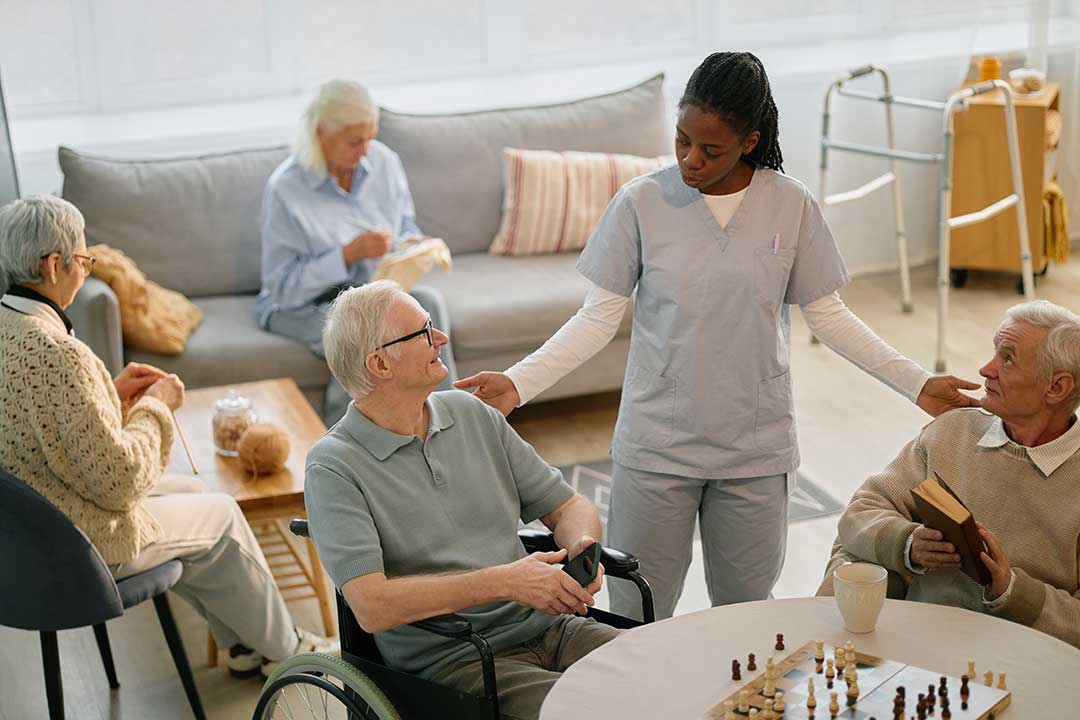
Continual staff training focused on conflict resolution, empathy, and effective communication is essential. In Denver, local organizations might provide specialized workshops or support groups for both caregivers and residents.
- Regular training on de-escalation and mediation
- Invite local experts for workshops
- Offer support for residents feeling anxious or isolated due to ongoing conflicts
6. Consider Individualized Care Plans
Every resident is unique. When conflicts repeatedly center on a particular individual or issue, it may be time to customize care routines or living arrangements. This could mean assigning new roommates, adjusting activity schedules, or offering additional one-on-one attention.
- Involve family members in discussions when appropriate
- Respect privacy and dignity at all times
7. Create Positive Social Opportunities
The best way to minimize conflict is to nurture positive relationships. Plan regular group outings and activities that celebrate Denver’s heritage, like attending craft fairs, church events, or visiting local historical sites and farmers’ markets.
- Encourage shared interests and hobbies
- Celebrate birthdays, holidays, and community milestones
- Recognize acts of kindness and cooperation
When to Escalate a Conflict
While most disagreements can be resolved fairly easily, some may cross the line into abuse, harassment, or repeated bullying. Assisted living staff have a duty to protect all residents. If a situation endangers a resident’s physical or emotional wellbeing, it must be reported and addressed by management or even outside authorities as necessary. In Pennsylvania, the Department of Human Services offers resources to assist with elder care issues and conflict resolution.
Conflict Resolution Benefits the Whole Community
Handled thoughtfully, conflict can actually strengthen relationships, deepen understanding, and improve the quality of life for everyone in the assisted living community. By addressing disagreements promptly and respectfully—as we do here in Denver, Pennsylvania—we preserve the small-town spirit of kindness while ensuring that all residents feel safe, heard, and respected.
If you, your loved one, or someone you know needs advice on handling a difficult situation in an assisted living setting, don’t hesitate to reach out to local resources or speak with facility staff. The goal is not just to resolve disagreements, but to foster a true sense of belonging in every aspect of daily life.
