
Integrative therapies can support comfort, mobility, mood, sleep, social connection, and a sense of independence in assisted living. These approaches work alongside regular medical care rather than replacing medications, diagnosis, rehabilitation, or treatment for serious illness.
For residents and families in Denver, PA, the most useful question is not whether a therapy is labeled “natural” or “holistic.” The better question is whether the activity is appropriate for the resident’s health, preferences, abilities, and current care plan.
What are integrative therapies?
Integrative therapies combine standard healthcare with complementary practices that may support physical, emotional, social, or spiritual well-being. In an assisted living setting, they often appear as structured activities, supportive services, or individualized care approaches.
Examples may include:
- Music, singing, and rhythm-based activities
- Guided breathing, meditation, or relaxation exercises
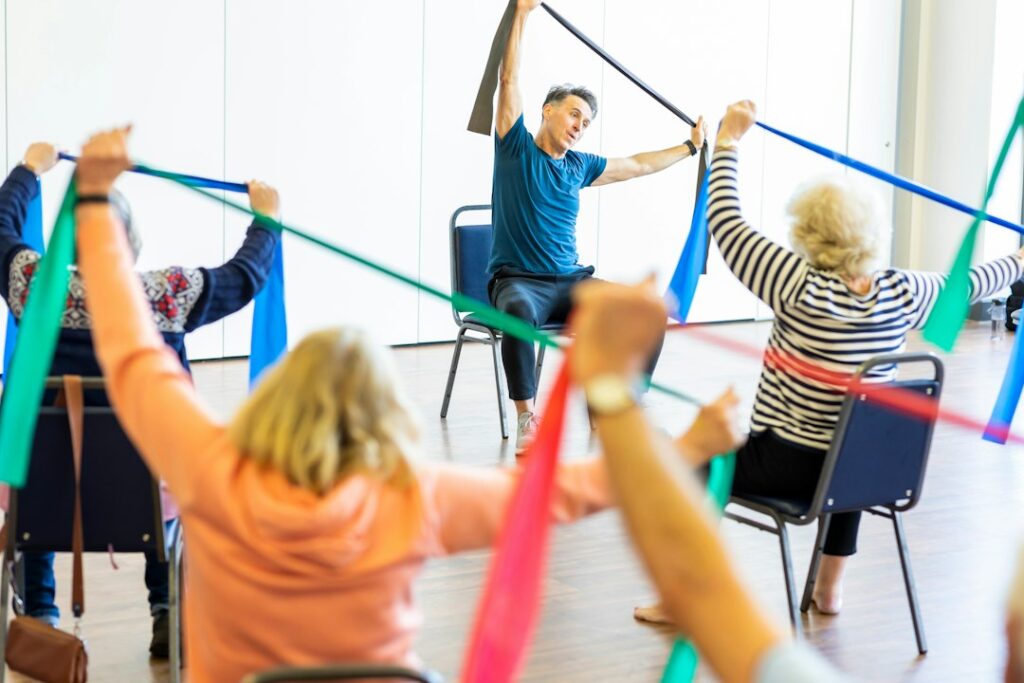
- Gentle stretching, chair yoga, tai chi, or balance-focused movement
- Therapeutic gardening and time outdoors
- Massage provided under appropriate conditions
- Aromatherapy used cautiously
- Art, crafts, storytelling, and reminiscence activities
- Animal-assisted activities
- Acupuncture or other services provided by properly qualified practitioners
- Sleep-support routines, calming environments, and non-medication comfort measures
The term “integrative” does not mean that every therapy has equal scientific support. Some approaches have evidence for specific goals, while others are primarily used to encourage enjoyment, participation, or connection.
How can these therapies help older adults?
The possible benefits depend on the therapy and the resident. A music session may help someone express feelings or participate socially. Gentle movement may help maintain flexibility and confidence with daily activities. Breathing exercises may ease tension before sleep or during a stressful moment.
Integrative approaches may be considered for:
- Mild stress, loneliness, or low mood
- Difficulty settling at bedtime
- Muscle tension or general discomfort
- Reduced activity during cold or rainy weather
- Loss of interest in familiar hobbies
- Mild anxiety during changes in routine
- Social isolation or difficulty starting conversations
- The desire to maintain independence and personal choice
These activities should have realistic goals. A relaxation class is not a cure for dementia, and a massage should not be presented as a treatment for a serious medical condition. Benefits are often modest and may be different from one resident to another.
Which therapies are commonly used in assisted living?
Music and creative activities
Music may include sing-alongs, familiar playlists, drumming, dancing, or instrument playing. Residents do not need musical training to benefit. Familiar songs can encourage conversation and memory, while rhythm-based movement may support participation for people who have difficulty following spoken instructions.
Art, crafts, poetry, and storytelling can provide meaningful choices even when physical abilities change. Projects should be adaptable so residents can participate while seated, with limited hand strength, or with visual changes.
Mindfulness and relaxation
Guided breathing, quiet reflection, progressive muscle relaxation, and short meditation sessions may help residents manage everyday stress. Sessions are usually most practical when they are brief, clearly explained, and optional.
Some residents may find silence uncomfortable or confusing. A familiar voice, soft music, or a simple breathing pattern may be more effective than a formal meditation exercise.
Gentle movement
Chair exercises, stretching, tai chi, and balance activities may support flexibility, body awareness, and confidence. Movement should be matched to the resident’s mobility level and care plan.
Assisted living staff should account for fall risk, dizziness, joint limitations, use of walkers, and conditions that affect blood pressure or endurance. A resident should not be pushed to continue an exercise that causes pain, unusual shortness of breath, faintness, or confusion.
Nature and sensory activities
Gardening, caring for indoor plants, looking through nature books, and spending time outdoors can provide sensory stimulation and a change from indoor routines. This may be especially helpful during winter or periods of poor weather, when outdoor activity is limited in the local community.
Sensory activities should also consider allergies, asthma, skin sensitivity, temperature changes, and the resident’s ability to tolerate strong smells or bright sunlight.
Are integrative therapies safe for everyone?
No. Safety depends on the individual therapy and the resident’s health history. A practice that is comfortable for one person may be unsuitable for someone with fragile bones, wounds, swallowing difficulties, allergies, cognitive impairment, or a high risk of falling.
Extra caution is needed with:

- Herbal products and dietary supplements
- Essential oils placed on the skin or used in enclosed spaces
- Massage for residents taking blood thinners or with fragile skin
- Acupuncture for residents with bleeding risks or certain medical devices
- Heat-based treatments for people with reduced sensation or circulation problems
- Movement activities involving balance or quick position changes
- Animal-assisted activities for residents with allergies, fear, or infection concerns
“Natural” does not automatically mean safe. Supplements can interact with prescription medicines, affect blood pressure or blood sugar, and create problems before surgery or medical testing. Any supplement, herb, oil, or new therapy should be reviewed with the resident’s healthcare team and the assisted living residence before use.
How should a community evaluate an integrative therapy?
A responsible program should identify the purpose of the activity, who may participate, who will lead it, and what precautions are required. The activity should fit within the resident’s assessment and support plan when it affects mobility, personal care, health monitoring, or daily routines.
Families and residents may ask:
- What is the intended benefit?
- Is participation optional?
- Who leads the activity, and what training do they have?
- Are staff aware of relevant diagnoses, allergies, medications, and fall risks?
- What happens if a resident becomes tired, uncomfortable, or distressed?
- Is the therapy included in regular activities, or does it involve an additional charge?
- How are changes in the resident’s response documented?
- Can the activity be adapted for hearing, vision, mobility, or memory needs?
In Pennsylvania, assisted living residences and personal care homes operate under state licensing requirements related to resident health, safety, care planning, staff training, activities, and service delivery. An integrative activity should fit within those responsibilities rather than operate separately from them.
What should residents and families expect?
Residents should expect choice, respect, and clear boundaries. Participation should not be forced, and a resident should be able to stop an activity without embarrassment. Personal beliefs also matter. Some people may prefer prayer, familiar cultural traditions, quiet time, or conversation instead of meditation or group movement.
Families can help by sharing information about the resident’s former interests, favorite music, sensory preferences, cultural practices, and past experiences with complementary care. These details may help staff design activities that feel familiar rather than generic.
The most useful integrative therapy is usually the one a resident is willing and able to enjoy safely. A short music session, a few minutes of stretching, time caring for a plant, or a calming bedtime routine may offer more value than a complicated program that does not fit the person.
When is standard medical care still necessary?
Integrative therapies should not delay medical evaluation. New pain, sudden confusion, weakness, falls, chest discomfort, breathing problems, unexplained weight loss, fever, or a major change in mood or behavior require attention through the resident’s usual healthcare process.
These approaches are best viewed as supportive tools. Used carefully, they can add comfort, meaning, movement, and connection to daily life while remaining part of a coordinated care plan.
